
Some journeys announce themselves loudly. Others arrive softly and stay forever.
Sikkim was the second kind for me.
I didn’t go to Sikkim looking for answers. I went there tired — of noise, of rushing days, of constantly needing to be somewhere else. What I found instead was stillness, simplicity, and a gentle reminder of how peaceful life can be when you slow down.
From the moment I entered Sikkim, everything felt calmer — the roads, the people, even my thoughts. It felt like the mountains were quietly asking me to pause, breathe, and just be present.
First Impressions: Where Time Slows Down
The first thing I noticed about Sikkim was the silence. Not the empty kind — but the comforting kind. The kind that feels full. Roads curved gently through hills, clouds floated close enough to touch, and prayer flags danced softly in the wind.
There was no rush here. No unnecessary noise. Even the traffic felt patient.
I remember looking out of the window during my first drive and realizing how long it had been since I truly enjoyed a journey instead of waiting for it to end. In Sikkim, the journey itself felt like the destination.
Gangtok: A City That Breathes Calm
Gangtok, the capital of Sikkim, surprised me in the best way. It’s modern, yet deeply rooted in tradition. Clean streets, organized life, and an energy that feels balanced.
Walking around MG Marg felt refreshing. No honking, no chaos — just people strolling, talking softly, enjoying their evenings. Cafés overlooked valleys, shops were neatly arranged, and everywhere I went, I felt safe and welcome.
Gangtok didn’t try to impress me. It simply existed — calmly, confidently. And that’s what made it beautiful.
The Spiritual Heart of Sikkim
Sikkim’s soul lives in its monasteries.
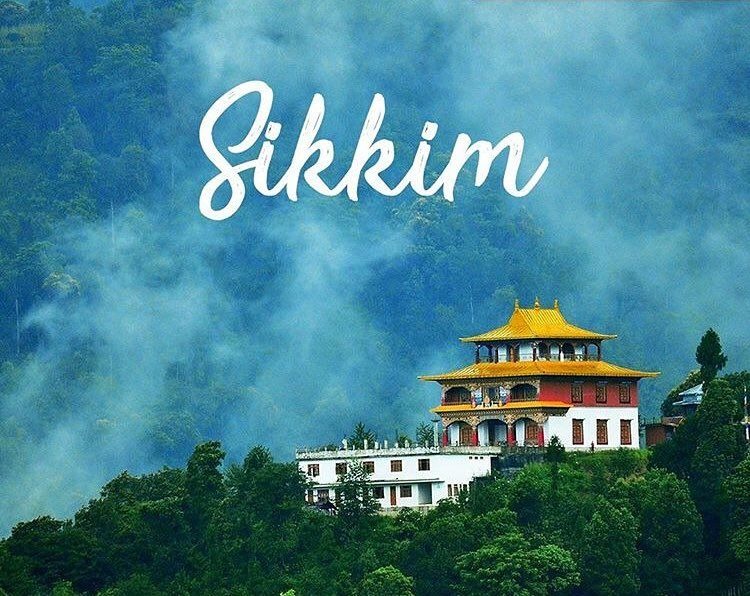
I visited places like Rumtek Monastery and smaller, lesser-known monasteries tucked away in the hills. Sitting there, listening to the sound of prayer wheels and distant chants, I felt grounded in a way that’s hard to explain.
There was no pressure to believe anything. Just silence, patience, and peace.
In those moments, I wasn’t thinking about the past or worrying about the future. I was just present — something I often forget to do in everyday life.
Nature That Heals Without Trying
Sikkim’s natural beauty doesn’t scream for attention. It doesn’t try to impress. It simply exists — pure, untouched, and deeply calming.
Snow-covered peaks appear quietly behind clouds. Waterfalls suddenly reveal themselves along winding roads. Rivers flow steadily, reminding you that life doesn’t need to rush to move forward.
Places like Tsomgo Lake felt sacred. Standing there, surrounded by mountains and silence, I felt small — but in the most comforting way. My worries felt distant. My thoughts slowed down.
Sometimes, the most healing moments were the simplest—sipping tea while watching clouds move or sitting quietly as the mountains changed colors with the light.
The People: Warmth in Simplicity
What made Sikkim even more special were the people.
Locals were polite, soft-spoken, and deeply respectful — towards visitors, towards nature, and towards each other. Conversations felt genuine. Smiles felt real.
Their way of living taught me something important: happiness doesn’t come from having more, but from needing less. Life here felt balanced — between work and rest, between tradition and modernity.
I didn’t feel like a tourist. I felt like a guest.
Food That Comforts the Soul
Food in Sikkim is simple, warm, and comforting.
Meals felt homemade — nourishing rather than fancy. Local dishes carried flavors shaped by climate and culture. Eating here felt like being taken care of, not just being served.
Sharing meals in small cafés and local eateries became moments of connection. Conversations flowed easily. Time slowed down even more.
It reminded me how powerful simple food can be when it’s made with care.
Learning to Travel Slowly
Sikkim taught me the beauty of slow travel.
I didn’t rush from place to place. I didn’t try to see everything. Instead, I stayed longer in fewer places, walked more, and planned less.
Some days, I did nothing at all — and those days became the most memorable.
Traveling slowly allowed me to feel the place instead of just seeing it. And that changed everything.
Moments That Stayed With Me
There are moments from Sikkim that still come back to me quietly:
– Early mornings wrapped in mist
– Prayer flags moving gently in the wind
– Silent mountain roads
– Soft conversations with strangers
– The feeling of being exactly where I needed to be
These moments didn’t need photographs. They stayed in my heart.
What Sikkim Taught Me
This journey taught me lessons I didn’t know I needed:
– That silence is not empty
– That slowing down is not wasting time
– That peace doesn’t need explanation
– That some places heal you without saying a word
Sikkim reminded me to listen — to myself, to nature, to the quiet.
Best Time to Visit Sikkim
Sikkim is beautiful all year round, but each season feels different:
- Spring & Summer: Pleasant weather, blooming flowers, clear views
- Monsoon: Lush greenery and misty landscapes (travel carefully)
- Autumn: Clear skies and perfect mountain views
- Winter: Snow-covered beauty and quiet roads
Choose a season based on what you want to feel, not just what you want to see.
Traveling Sikkim with Respect
Sikkim is deeply connected to nature and culture. Traveling responsibly here matters.
Respect local traditions.
Avoid littering.
Support local businesses.
Travel gently.
Sikkim gives you peace — the least we can do is protect it.
Sikkim was not a trip for me.
It was a pause.
A breath.
A quiet reset.Some places don’t demand your attention — they patiently wait for you to notice them. Sikkim is one of those places.
If you ever feel overwhelmed, restless, or disconnected — maybe you don’t need answers. Maybe you just need mountains, silence, and a place that reminds you how simple life can be.
Every journey has a story — and in Sikkim, yours might begin quietly.