
Some places are meant to be visited.
Some are meant to be felt.
Varanasi is not just a destination—it is an experience that slowly settles into your soul.
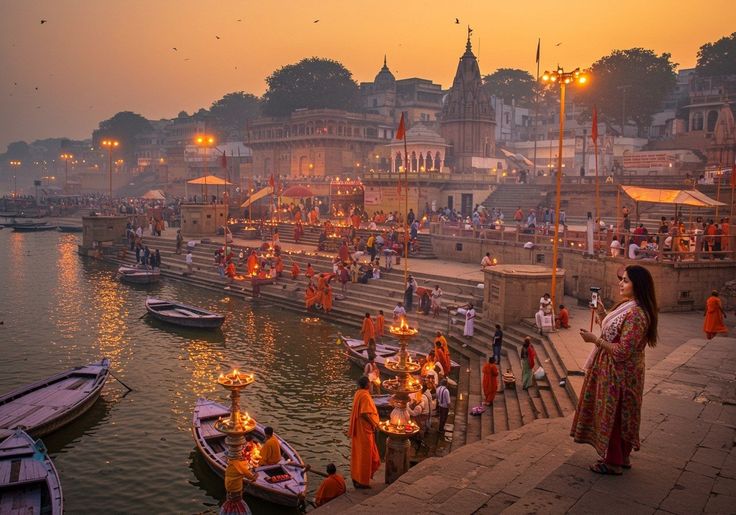
As soon as you arrive in Varanasi, also known as Kashi or Banaras, you realize that this city follows no modern rhythm. It breathes in its own timeless way. Life here moves slowly and chaotically at the same time. The air is filled with temple bells, chanting, boatmen calling out, the smell of incense, and the constant presence of the holy River Ganga.
Varanasi is believed to be one of the oldest continuously inhabited cities in the world. Walking through its streets feels like stepping into a living museum—except nothing here is silent or frozen in time. Everything is alive.
The Spiritual Significance of Varanasi
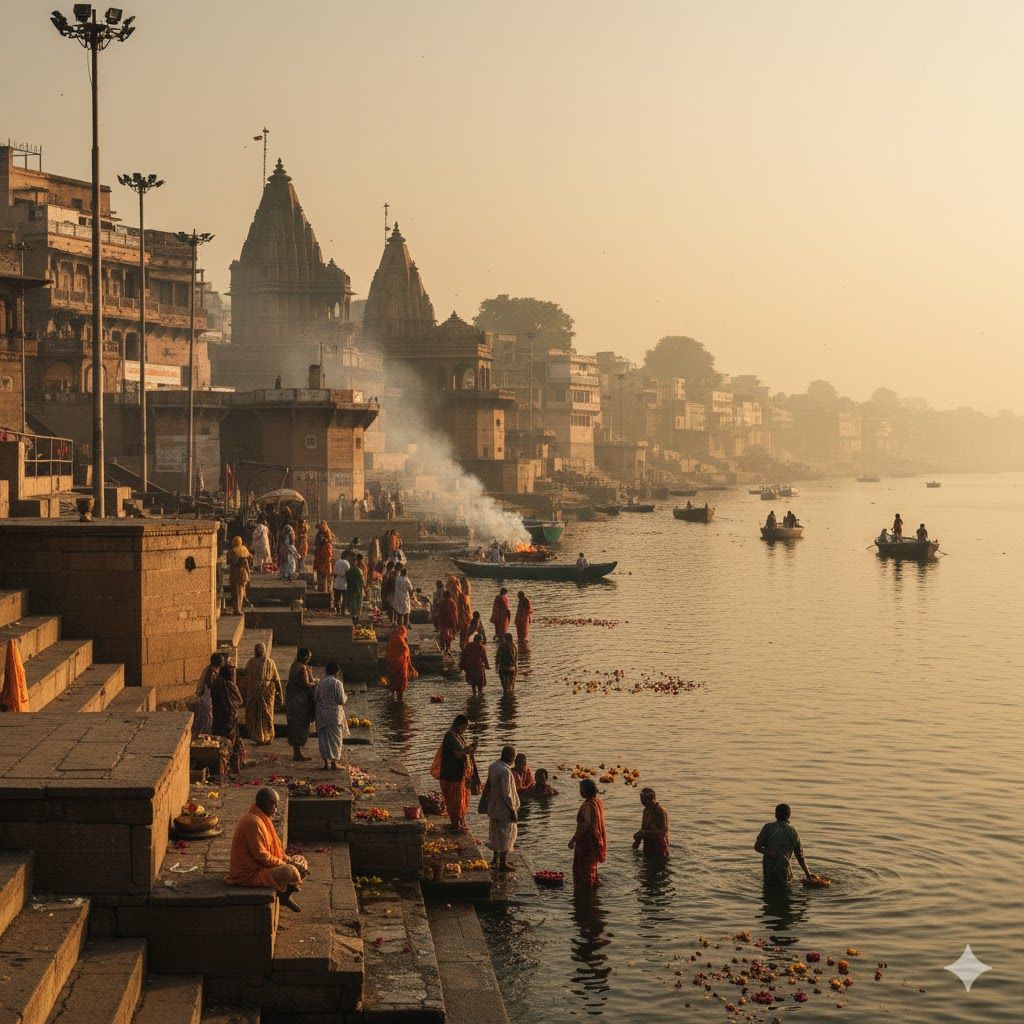
Varanasi holds immense importance in Hinduism. It is believed that Lord Shiva himself resides here, making it one of the holiest cities in India. According to ancient beliefs, a person who dies in Varanasi attains moksha—freedom from the cycle of birth and death.
For centuries, pilgrims have traveled from all corners of India to perform rituals, prayers, and final rites for their loved ones. But Varanasi is not only about death—it is deeply about life, acceptance, and understanding the truth of existence.
Here, spirituality is not hidden inside temples alone. It flows through the streets, the ghats, the conversations with strangers, and even in silence.
The Ganga River: The Soul of the City
If Varanasi has a heartbeat, it is the River Ganga.
From early morning till late night, life on the ghats never stops. At sunrise, devotees take holy dips in the river, believing it cleanses sins and purifies the soul. Priests perform rituals, yogis meditate, and locals quietly begin their day.
A boat ride on the Ganga at dawn is one of the most peaceful experiences you can have. As the sun slowly rises, the ghats glow with soft golden light. You see life unfolding—prayers, rituals, laundry, laughter, and silence—all at once.
The Evening Ganga Aarti
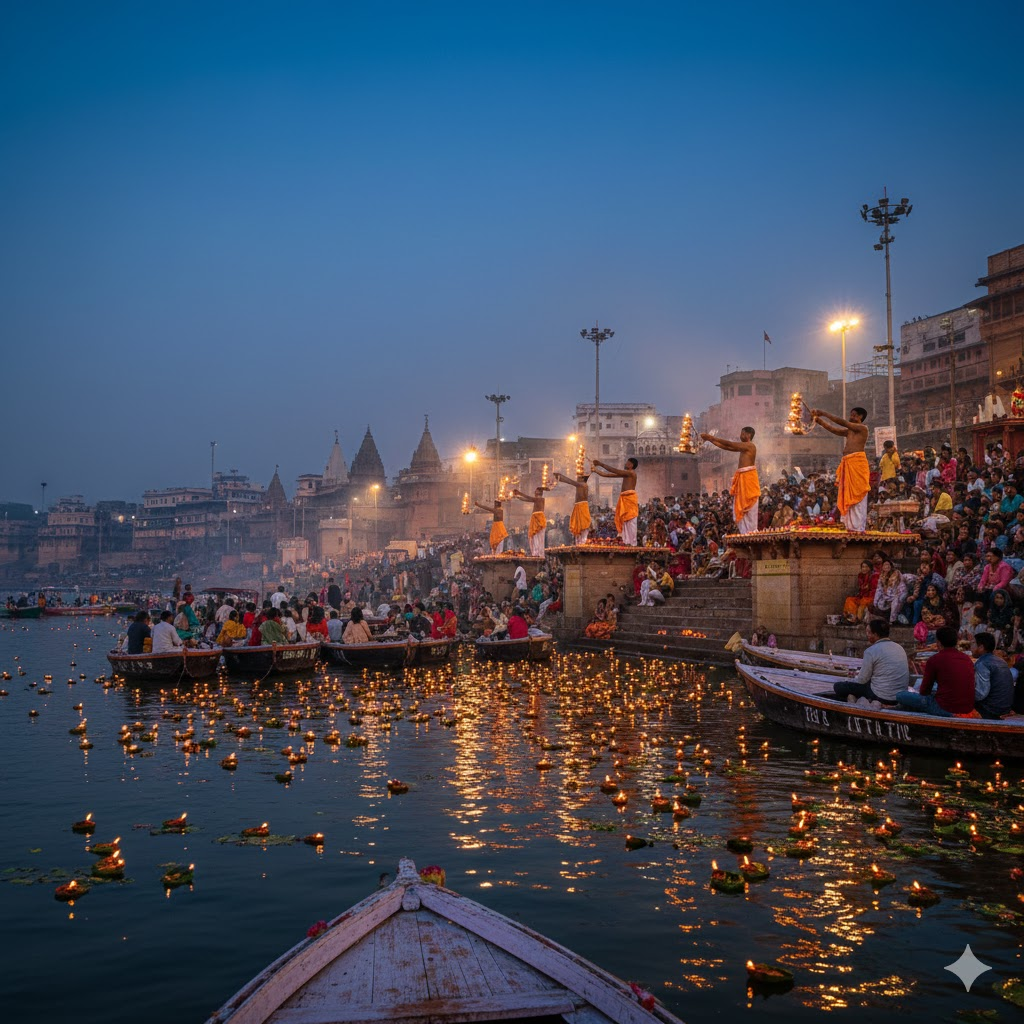
The Ganga Aarti at Dashashwamedh Ghat is one of the most powerful spiritual experiences in India. As priests perform synchronized rituals with lamps, incense, and chants, hundreds of diyas float on the river, carrying prayers and wishes.
It is not about religion alone. Even if you are not deeply spiritual, the energy of the moment is overwhelming. You feel connected—to the river, to the people, and to something much larger than yourself.
If Varanasi has a heartbeat, it is the River Ganga.
From early morning till late night, life on the ghats never stops. At sunrise, devotees take holy dips in the river, believing it cleanses sins and purifies the soul. Priests perform rituals, yogis meditate, and locals quietly begin their day.
A boat ride on the Ganga at dawn is one of the most peaceful experiences you can have. As the sun slowly rises, the ghats glow with soft golden light. You see life unfolding—prayers, rituals, laundry, laughter, and silence—all at once.
The Famous Ghats of Varanasi
Varanasi is home to more than 80 ghats, each with its own story and significance.
Dashashwamedh Ghat

The most vibrant and crowded ghat. It is the center of religious activity and the main location for the grand evening aarti.
Manikarnika Ghat
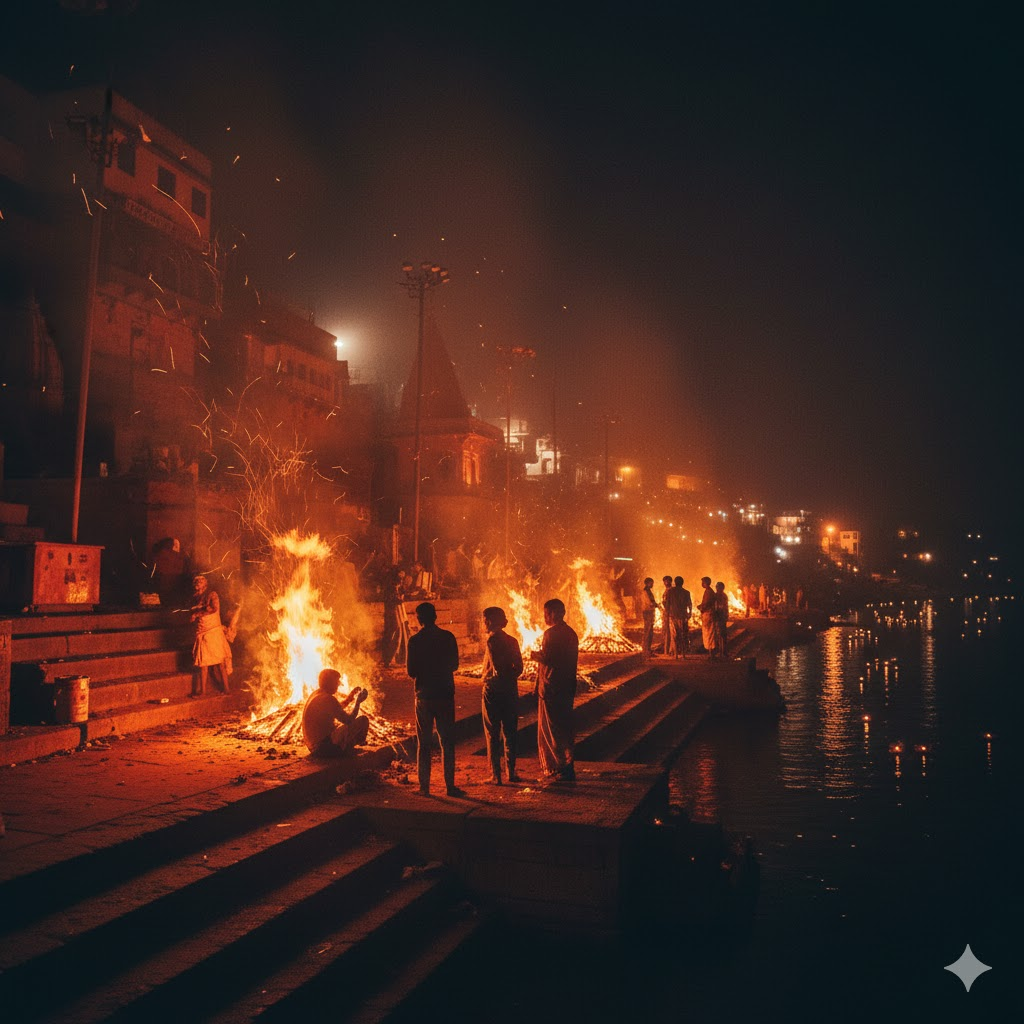
This is the main cremation ghat of Varanasi. Fires burn here day and night. While it may feel intense at first, it offers a profound lesson—the reality of life and death.
Rather than fear, this ghat teaches acceptance. It reminds you that everything temporary must end and that truth can be strangely peaceful.
Assi Ghat
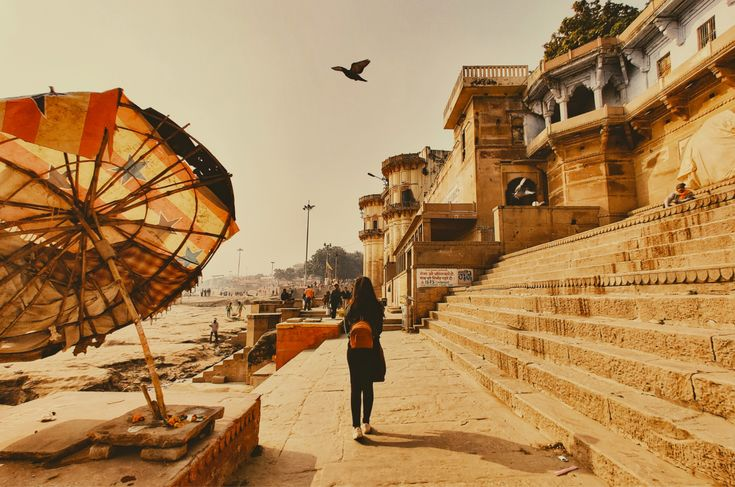
Located at the confluence of the Ganga and Assi rivers, this ghat is popular among travelers and young locals. Morning yoga sessions, music performances, and peaceful evenings make it a perfect place to relax and reflect.
Kashi Vishwanath Temple: The Heart of Faith
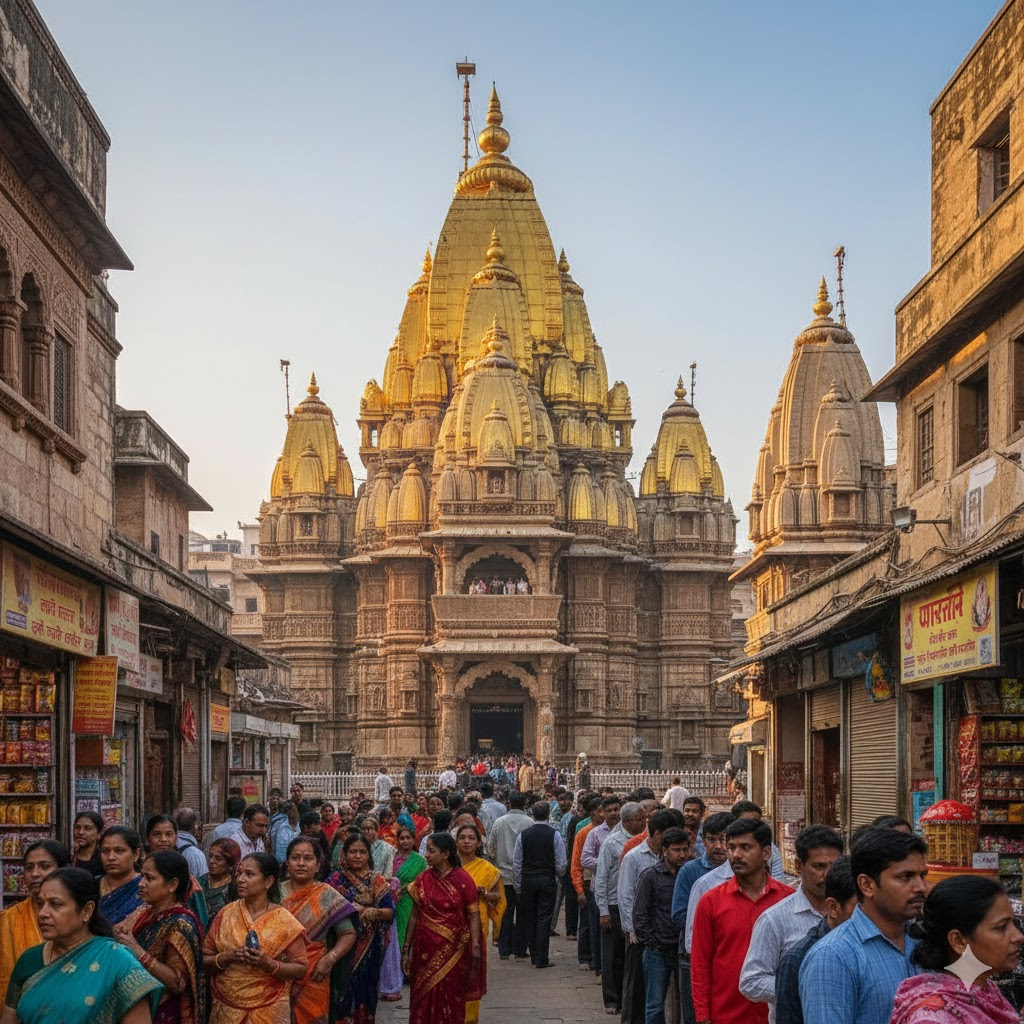
The Kashi Vishwanath Temple, dedicated to Lord Shiva, is one of the twelve Jyotirlingas and the most important temple in Varanasi.
Reaching the temple involves navigating narrow lanes, crowds, and long security checks. But once you enter, everything else fades away. The energy inside the temple is powerful and deeply emotional.
People come here with hopes, prayers, gratitude, and surrender. For many, this temple visit becomes a turning point in their spiritual journey.
The Lanes of Varanasi: Where Stories Live
The narrow lanes of Varanasi are confusing, noisy, and endlessly fascinating. Getting lost here is not a problem—it is part of the experience.
As you walk through these alleys, you may suddenly find:
- A small temple hidden between shops
- A cow blocking the path
- A tea seller sharing wisdom about life
- A sadhu smiling quietly
These streets teach you that life does not need perfection. It needs presence.
The Flavors of Banaras
Varanasi is a paradise for food lovers. The city’s flavors are as bold and unforgettable as its culture.
Kachori Sabzi
A popular breakfast item, served hot and spicy, best enjoyed early in the morning.
Banarasi Chaat
Tomato chaat, aloo chaat, golgappas—each bite bursts with flavor and tradition.
Banarasi Paan
More than a mouth freshener, paan is an emotion in Banaras. Made with care and pride, it reflects the city’s love for tradition.
Sarnath: A Place of Peace
Just a short distance from Varanasi lies Sarnath, one of the most important Buddhist sites in the world. This is where Lord Buddha gave his first sermon after attaining enlightenment.
Unlike the busy streets of Varanasi, Sarnath is calm and quiet. The Dhamek Stupa, monasteries, and peaceful gardens create a space for reflection and meditation.
It is the perfect place to balance the intensity of Varanasi with silence and stillness.
Music, Art, and Culture
Varanasi has long been a center for Indian classical music, literature, and art. Legends like Pandit Ravi Shankar and Ustad Bismillah Khan were born here.
Music flows naturally in this city—from temple chants in the morning to classical performances in the evening. Art here is not performed for applause; it is a way of life.
Life and Death Coexisting
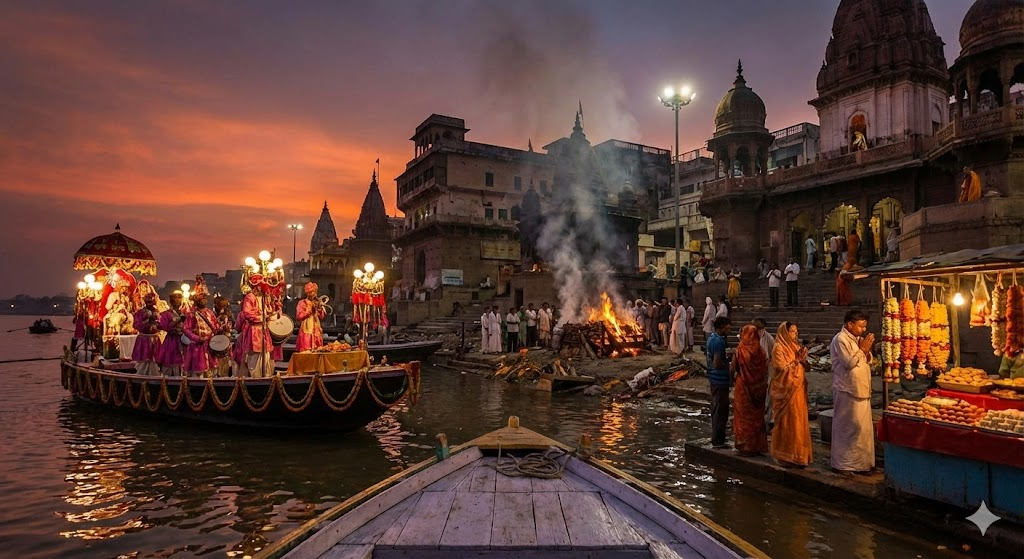
One of the most striking aspects of Varanasi is how naturally life and death coexist. Weddings, prayers, markets, and cremations all happen within the same space.
Instead of creating fear, this coexistence brings clarity. Varanasi teaches that death is not the opposite of life—it is a part of it.
This realization often leaves travelers transformed.
Best Time to Visit Varanasi
- October to March: Ideal weather for sightseeing
- Summers can be extremely hot
- Monsoon season brings beauty but also humidity
Festivals like Dev Deepawali and Mahashivratri are magical times to visit.
Varanasi Is Not Just a City
Varanasi is:
- A teacher
- A mirror
- A spiritual journey
- A reminder of what truly matters
You do not simply visit Varanasi—you carry it back with you.
It challenges you, comforts you, and slowly changes the way you see life.
Final Thoughts
“Some cities impress you.
Some cities inspire you.
Varanasi transforms you.”
If you are searching for more than photographs—
if you are looking for meaning, depth, and connection —
Varanasi will welcome you with open arms.