
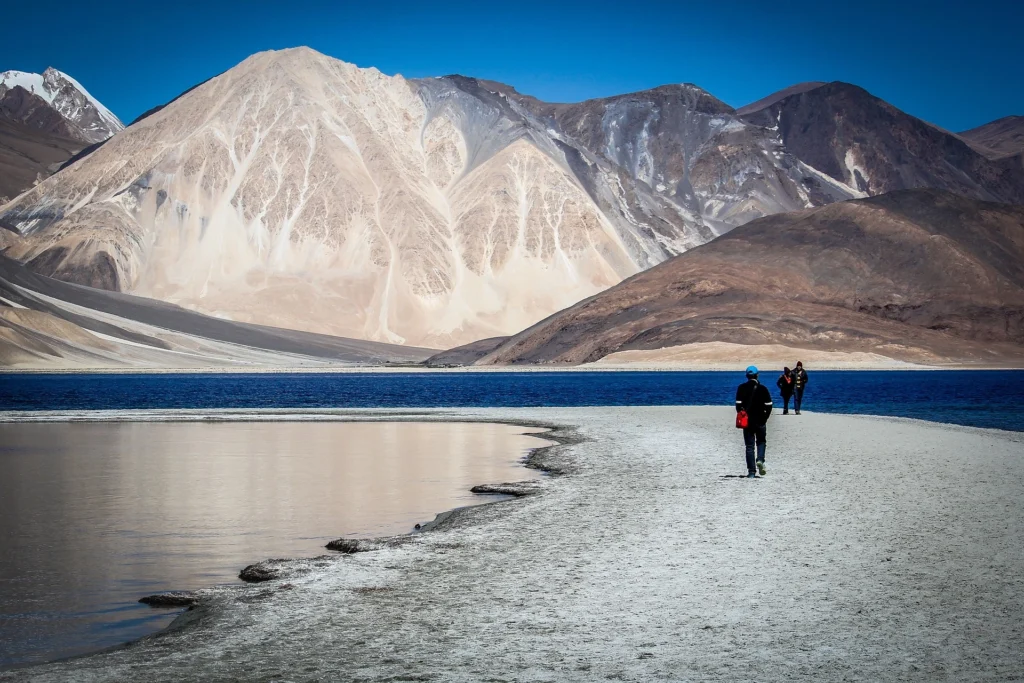
Whether you are planning your first trip to Ladakh or simply want to explore more about this incredible destination, this complete guide will help you discover everything you need to know. From famous places to visit and hidden villages to local food, traditions, wildlife, and important travel tips, this guide covers all the essential information for your Ladakh journey.
Every corner of Ladakh has its own charm. Some places attract travelers with their beautiful blue lakes, while others are known for ancient monasteries, peaceful villages, and thrilling mountain routes. Along with its natural beauty, the warm hospitality of the local people makes every visit even more memorable.
So, get ready to explore the incredible world of Ladakh, the beautiful “Land of High Passes,” and discover why this destination attracts travelers from all around the world.
Where is Ladakh?
Ladakh is a union territory in northern India, surrounded by the mighty Himalayan and Karakoram mountain ranges. It shares borders with Himachal Pradesh to the south and the union territory of Jammu and Kashmir to the west. Because of its high altitude, Ladakh is often called the “Roof of India.”
Most of the region lies at an altitude of more than 3,000 meters above sea level. The capital city, Leh, sits at around 3,500 meters, making it one of the highest towns in India.
Unlike many green hill stations, Ladakh has a cold desert landscape. You will see brown mountains, deep valleys, sparkling rivers, and clear blue skies almost throughout the year. This unique environment makes it one of the most beautiful travel destinations in the country.
Why is Ladakh famous?
There are many reasons why travelers from around the world visit Ladakh every year.
The first reason is its incredible natural beauty. Snow-covered peaks, peaceful lakes, winding roads, and wide-open valleys create unforgettable views at every turn.
Secondly, Ladakh is famous for its adventurous road trips. The journey through high mountain passes is an experience that many travelers dream about. Driving through these scenic roads feels like an adventure in itself.
Another reason is the region’s peaceful Buddhist culture. Beautiful monasteries, colorful prayer flags, spinning prayer wheels, and smiling monks give Ladakh a calm and spiritual atmosphere.
Besides that, Ladakh offers exciting outdoor activities such as trekking, camping, river rafting, mountain biking, wildlife photography, and stargazing.
Simply put, Ladakh is not just a destination—it is an experience that stays with you long after your trip ends.
The Meaning Behind the Name “Ladakh”
The word “Ladakh” comes from two Tibetan words that together mean “Land of High Passes.”
The name perfectly describes the region because Ladakh is home to many famous mountain passes, locally known as La. These high roads connect different valleys and villages while offering some of the most spectacular mountain views in the world.
Many travelers visit Ladakh specifically to experience these famous passes, especially during long road trips.
Geography of Ladakh
One of the most interesting things about Ladakh is its geography.
Unlike many other Himalayan regions filled with forests, Ladakh is mostly a high-altitude cold desert. Rainfall is very limited because the Himalayas block the monsoon clouds before they reach the region.
As a result, the landscape looks dry and rocky, yet surprisingly beautiful. Huge mountains, narrow valleys, frozen rivers during winter, and colorful rock formations create scenery that changes from one place to another.
Several important rivers flow through Ladakh, including the Indus River, which has supported life in this region for thousands of years.
The region also has glaciers, wetlands, high-altitude lakes, and wildlife habitats that make Ladakh one of India’s most unique ecosystems.
Climate and Weather
The weather in Ladakh changes dramatically throughout the year.
Summer (May to September)
Summer is the most popular season for visiting Ladakh. The roads are open, the weather is pleasant, and most tourist attractions are easily accessible. Daytime temperatures usually stay comfortable, making sightseeing and outdoor activities enjoyable.
Autumn (October)
Autumn brings cool weather and fewer crowds. The mountains begin changing colors, creating beautiful landscapes for photography.
Winter (November to March)
Winter transforms Ladakh into a snowy wonderland. Temperatures often drop far below freezing, and many roads close due to heavy snowfall. However, this is also the season when visitors experience the famous frozen landscapes and peaceful villages.
Spring (April)
Spring marks the beginning of the travel season. Snow slowly starts melting, flowers bloom in some valleys, and temperatures gradually become pleasant again.
Every season offers a different experience, making Ladakh a destination worth visiting more than once.
History of Ladakh
Ladakh has a long and fascinating history that dates back thousands of years.
In ancient times, it was an important stop on the famous Silk Route, connecting India with Central Asia and Tibet. Traders traveled through Ladakh carrying silk, spices, wool, precious stones, and other valuable goods.
Over the centuries, different kingdoms ruled the region, but Tibetan culture had one of the strongest influences. This influence is still visible today in the language, architecture, traditions, and Buddhist monasteries.
Many old palaces, forts, and monasteries continue to tell the story of Ladakh’s rich past.
Today, Ladakh is known not only for its history but also for preserving its unique culture while welcoming visitors from around the world.
Culture and Traditions of Ladakh
The culture of Ladakh is simple, peaceful, and deeply connected to nature.
Most local people follow Buddhism, although other communities also live together in harmony. Respect for nature, kindness, and community life play an important role in everyday living.
Traditional houses are built using mud bricks and stone, helping families stay warm during the cold winters.
Visitors often notice colorful prayer flags fluttering across mountain passes, bridges, and monasteries. These flags are believed to spread peace, happiness, and positive energy with the wind.
Throughout the year, local festivals bring villages to life with traditional dances, music, colorful costumes, and religious ceremonies. These celebrations offer travelers a wonderful opportunity to experience Ladakh’s living heritage.
Languages Spoken in Ladakh
People in Ladakh speak several languages depending on the region.
The most widely spoken language is Ladakhi, while Hindi and English are commonly understood in tourist areas. In different villages, you may also hear Tibetan, Balti, Purigi, and Shina.
Even if you do not know the local language, communication is usually easy because most hotels, restaurants, and shops welcome visitors from across India and abroad.
The People of Ladakh
One of the most memorable parts of any trip to Ladakh is meeting its people.
The locals are known for their warmth, honesty, and hospitality. Life at such high altitudes is not easy, yet the people continue to live with simplicity and resilience.
Many families depend on farming, tourism, handicrafts, and animal husbandry. During your visit, you may see traditional homes, smiling children, prayer wheels outside houses, and friendly shopkeepers always ready to help.
Their peaceful way of life is one of the reasons why many travelers fall in love with Ladakh.
What Makes Ladakh So Special?
Every destination has something unique, but Ladakh offers many unforgettable experiences in one place.
You can watch the sunrise over snow-covered mountains, drive across some of the world’s highest roads, explore centuries-old monasteries, enjoy peaceful lakes, meet friendly locals, taste traditional food, and sleep under one of the clearest night skies in India.
Unlike crowded tourist destinations, many parts of Ladakh still feel untouched and peaceful. Every valley has its own story, every village has its own culture, and every road leads to another breathtaking view.
That is why Ladakh continues to inspire photographers, bikers, trekkers, nature lovers, families, solo travelers, and adventure seekers alike.
Ladakh’s Most Beautiful Places to Explore
Ladakh is not just about one city or one famous lake. The real beauty of this region lies in its different valleys, villages, mountain passes, and remote landscapes. Every area has its own charm and offers a completely different experience.
From the busy streets of Leh to the peaceful villages of Nubra Valley, from the magical blue water of Pangong Lake to the untouched beauty of Hanle, every corner of Ladakh has something special waiting for travelers.
Let’s explore the most beautiful places of Ladakh in detail.
Leh – The Heart of Ladakh
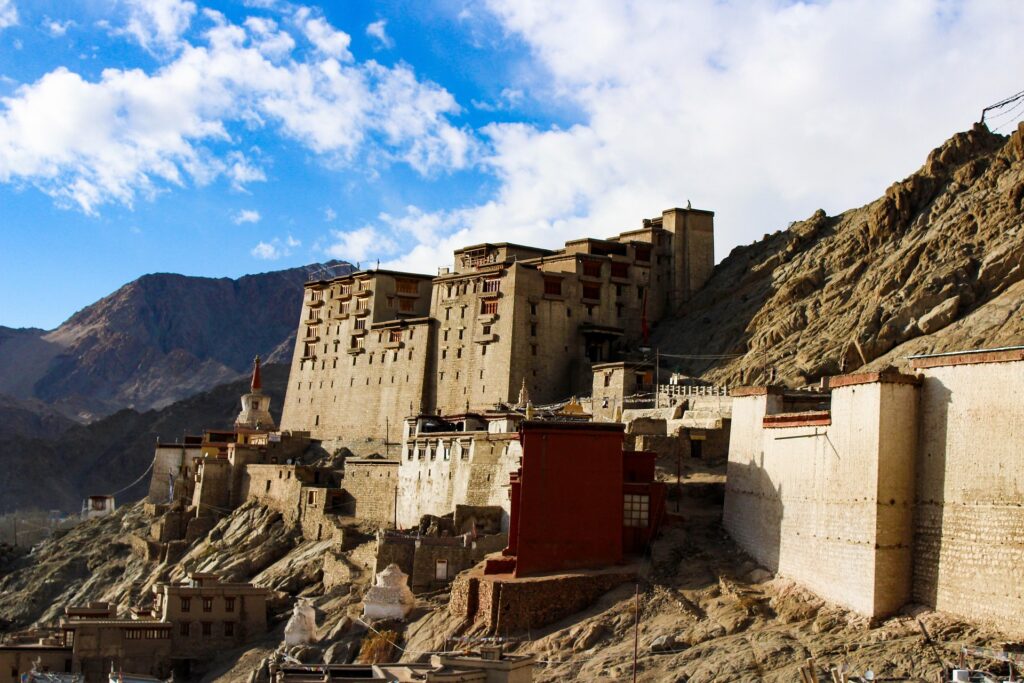
Leh is the main town and the cultural center of Ladakh. Almost every traveler starts their journey from Leh because it is the easiest place to reach and offers all the basic facilities like hotels, restaurants, cafes, markets, and transport.
Located at a high altitude, Leh gives travelers their first experience of Ladakh’s unique landscape. The town is surrounded by beautiful mountains and offers amazing views from almost every corner.
The famous Leh Palace is one of the most important attractions here. Built in the 17th century, this nine-story palace gives a glimpse of Ladakh’s royal history. From the top, visitors can enjoy a beautiful view of Leh town and the surrounding mountains.
Another popular attraction is Shanti Stupa, a white-domed Buddhist monument located on a hilltop. It is one of the best places in Leh to watch sunrise and sunset. The peaceful atmosphere and panoramic views make it a must-visit spot.
Leh Market is another place where travelers can experience local life. The streets are filled with small shops selling handicrafts, woolen products, souvenirs, traditional items, and local food.
Apart from sightseeing, Leh is also the perfect base for exploring nearby places like Nubra Valley, Pangong Lake, Magnetic Hill, and monasteries.
Best Experiences in Leh:
- Exploring Leh Palace
- Watching sunset from Shanti Stupa
- Walking through Leh Market
- Trying local Ladakhi food
- Visiting nearby monasteries
Nubra Valley – The Valley of Flowers
Nubra Valley is one of the most beautiful and unique regions of Ladakh. Known for its breathtaking landscapes, peaceful villages, sand dunes, and double-humped Bactrian camels, Nubra offers a completely different side of Ladakh.
To reach Nubra Valley, travelers cross the famous Khardung La Pass, which was once considered one of the highest motorable roads in the world.
The journey itself is unforgettable. As you move from Leh towards Nubra, the landscape changes from rocky mountains to wide valleys with rivers and greenery.
The most famous attraction of Nubra is Hunder Sand Dunes. Seeing golden sand dunes surrounded by snow-covered mountains feels like entering a completely different world. Here, travelers can enjoy a camel ride on the rare double-humped Bactrian camels.
Diskit Monastery is another highlight of Nubra Valley. Located on a hilltop, this monastery is famous for its huge Buddha statue and peaceful surroundings. The views from here are absolutely stunning.
The villages of Nubra, such as Turtuk and Sumur, allow travelers to experience local culture and traditional village life.
Best Experiences in Nubra Valley:
- Camel safari at Hunder Sand Dunes
- Visiting Diskit Monastery
- Exploring Turtuk village
- Enjoying peaceful mountain views
- Camping under the stars
Pangong Lake – The Blue Jewel of Ladakh
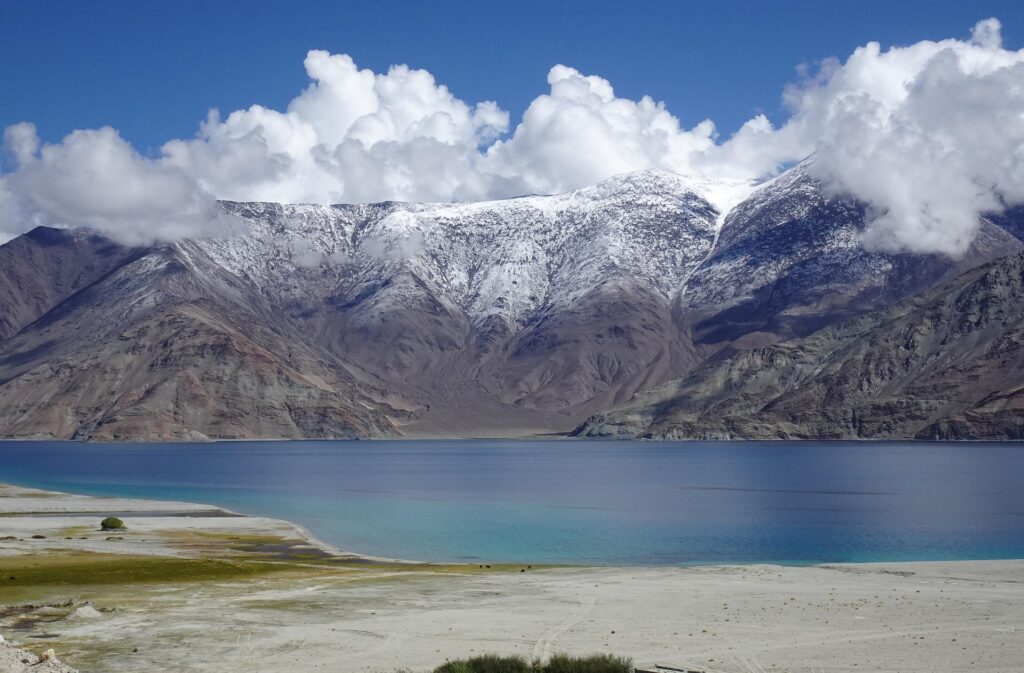
Pangong Lake is one of the most famous attractions in Ladakh and one of the most photographed lakes in India.
Located at a high altitude, this beautiful lake is famous for its changing colors. Depending on sunlight and weather conditions, the water can appear blue, green, or even golden.
The peaceful surroundings of Pangong Lake make it a magical place. Surrounded by mountains on all sides, the lake creates a perfect picture of nature’s beauty.
Many travelers visit Pangong for sunrise and sunset because the changing colors of the sky make the landscape look completely different throughout the day.
The journey to Pangong Lake is also an adventure. The route passes through beautiful mountain roads and high passes, offering amazing views along the way.
The lake became even more popular after being featured in Bollywood movies, but its natural beauty is the real reason why travelers continue to visit.
Visitors can stay in camps near the lake and enjoy the peaceful atmosphere. However, due to its high altitude, proper acclimatization is important before visiting.
Best Experiences at Pangong Lake:
- Watching sunrise and sunset
- Photography
- Camping near the lake
- Enjoying mountain views
- Experiencing complete peace away from city life
Tso Moriri Lake – A Peaceful Hidden Gem
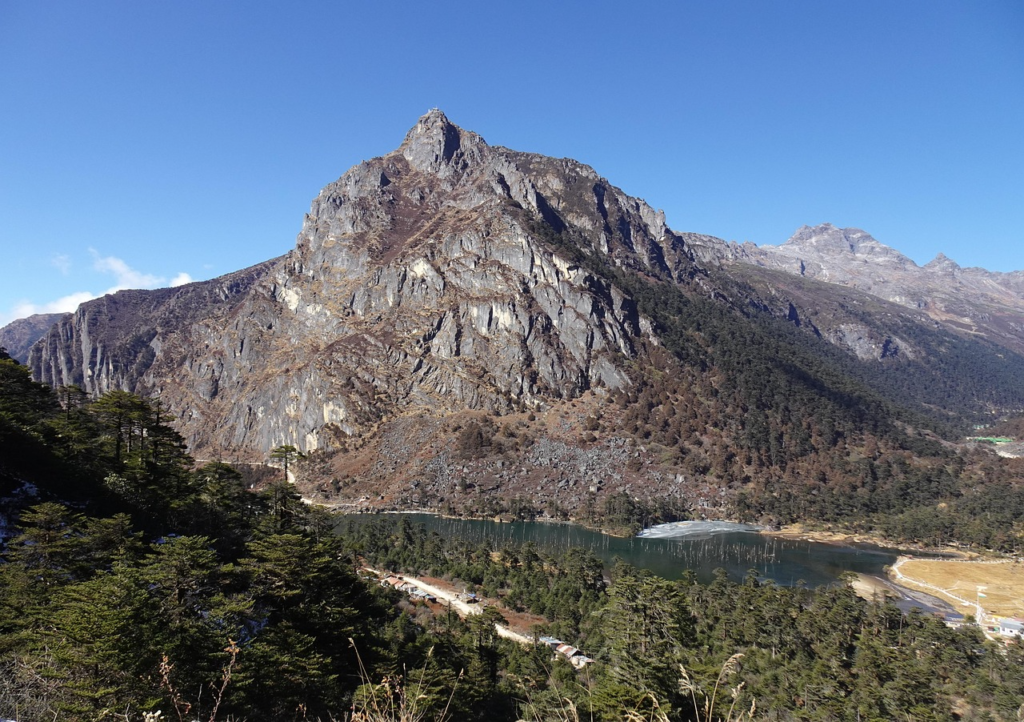
While Pangong Lake receives more attention, Tso Moriri Lake offers a quieter and more peaceful experience.
Located in the Changthang region of Ladakh, Tso Moriri is surrounded by beautiful mountains and open landscapes. The lake is part of the Tso Moriri Wetland Conservation Reserve and is home to many migratory birds.
Compared to Pangong, Tso Moriri receives fewer visitors, making it perfect for travelers who want to enjoy nature without large crowds.
The village of Korzok, located near the lake, is the main settlement in this area. The famous Korzok Monastery adds cultural beauty to the peaceful surroundings.
The clear blue water, silent atmosphere, and untouched landscapes make Tso Moriri one of the most beautiful places in Ladakh.
Best Experiences at Tso Moriri:
- Bird watching
- Photography
- Visiting Korzok Monastery
- Enjoying peaceful lake views
- Camping under clear skies
Hanle: The Land of Stars
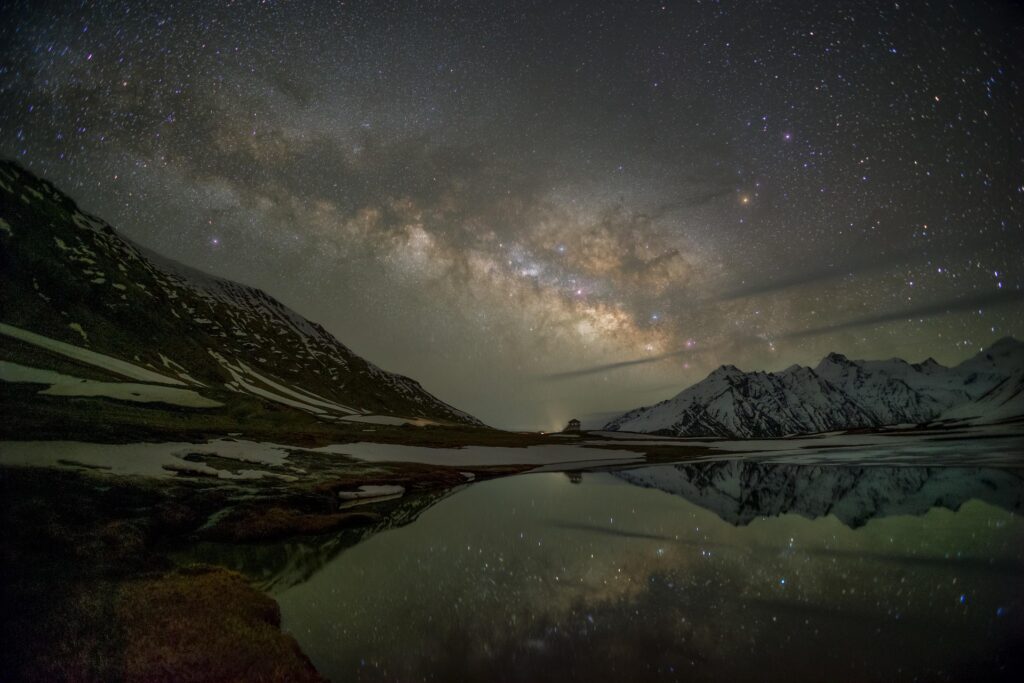
Hanle is one of the most peaceful and less-explored places in Ladakh.
Located in the Changthang region, Hanle is famous for its clear night skies and one of India’s best locations for stargazing.
Because of very low light pollution, visitors can see thousands of stars shining brightly in the sky. On a clear night, the view of the Milky Way is truly unforgettable.
Hanle is also known for the Indian Astronomical Observatory, which is one of the world’s highest observatories.
Unlike crowded tourist places, Hanle offers complete silence and a deep connection with nature. The remote location makes the journey challenging, but the experience is worth it.
Travelers who love photography, astronomy, and peaceful landscapes should definitely add Hanle to their Ladakh itinerary.
Best Experiences in Hanle:
- Stargazing
- Night photography
- Visiting the observatory area
- Enjoying untouched landscapes
- Experiencing village life
Kargil – A Land of History and Culture
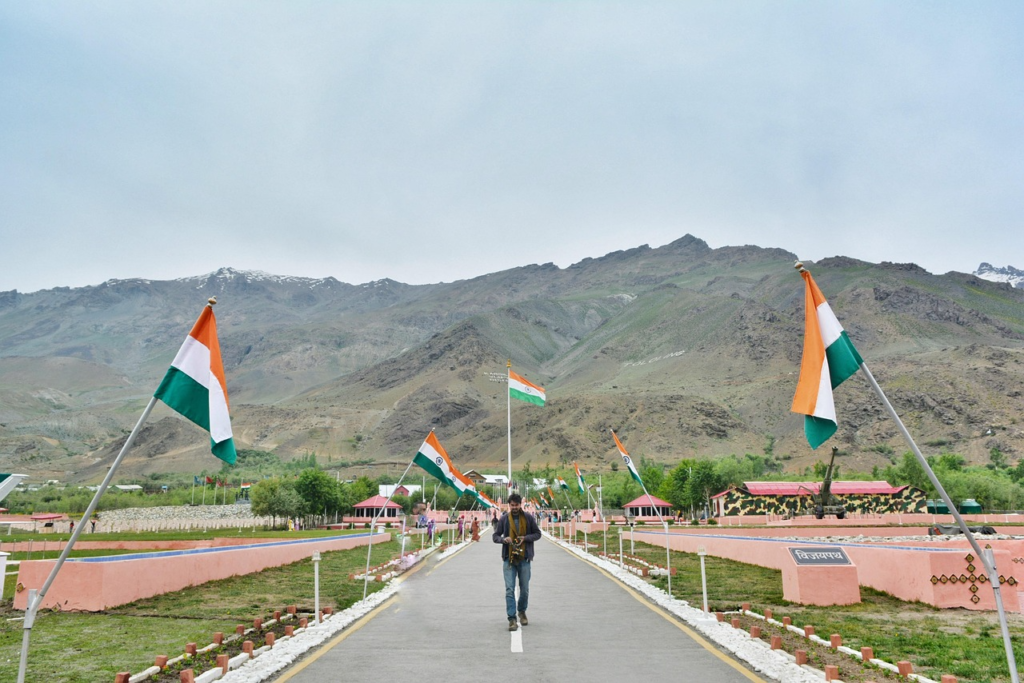
Kargil is an important town in Ladakh known for its history, beautiful landscapes, and cultural diversity.
Many people know Kargil because of the Kargil War of 1999, but the region has much more to offer. It is surrounded by mountains, valleys, and beautiful villages.
The Kargil War Memorial at Drass is one of the most important places to visit. It honors the bravery of Indian soldiers and tells the story of the historic battle.
Kargil also acts as a gateway to many beautiful regions, including Zanskar Valley.
The local culture of Kargil is different from Leh, with influences from various communities. Visitors can experience unique traditions, food, and hospitality here.
Best Experiences in Kargil:
- Visiting Kargil War Memorial
- Exploring local markets
- Enjoying mountain landscapes
- Learning about local culture
- Exploring nearby villages
Zanskar Valley – The Remote Beauty of Ladakh
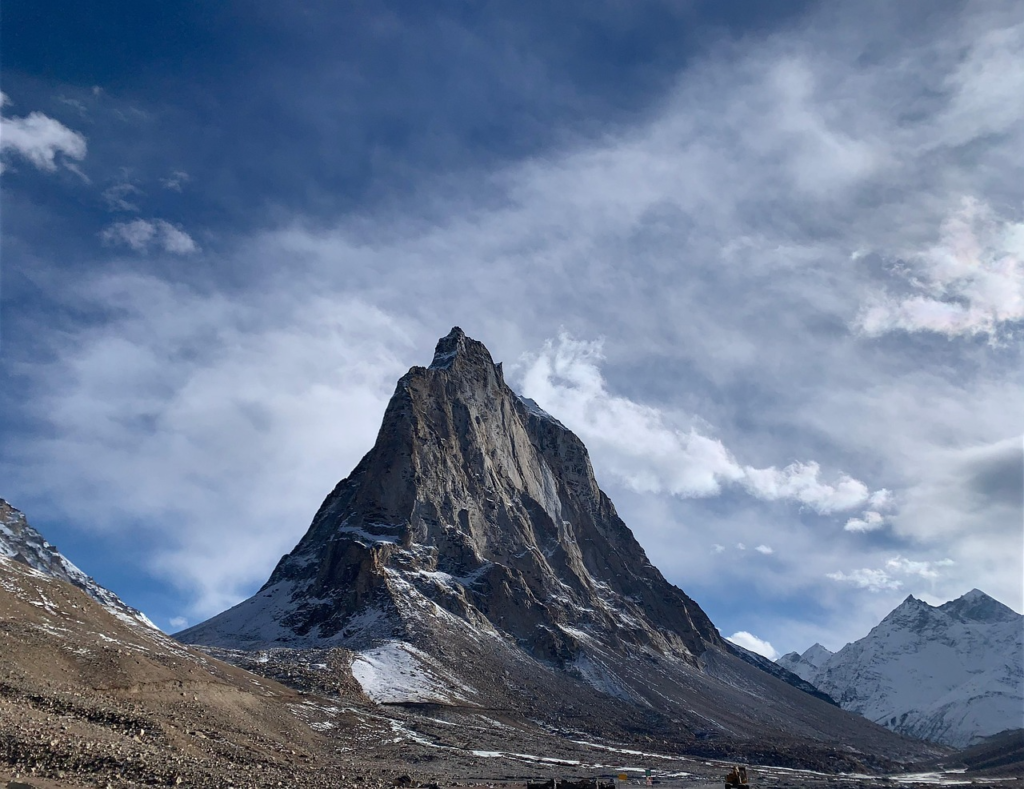
Zanskar Valley is one of the most remote and adventurous regions of Ladakh.
Known for dramatic mountains, deep valleys, ancient monasteries, and traditional villages, Zanskar offers a raw and untouched experience.
The region is especially famous among adventure lovers because of trekking routes and challenging roads.
During winter, the frozen Zanskar River becomes famous for the Chadar Trek, where travelers walk on the frozen river surrounded by icy mountains.
Apart from adventure, Zanskar is also known for its peaceful monasteries and simple village life.
Places like Phuktal Monastery attract travelers because of their unique location and peaceful surroundings.
Zanskar is perfect for people who want to explore a less-crowded and more authentic side of Ladakh.
Best Experiences in Zanskar:
- Trekking
- Chadar Trek in winter
- Visiting monasteries
- Exploring remote villages
- Photography
Drass – The Gateway to Ladakh
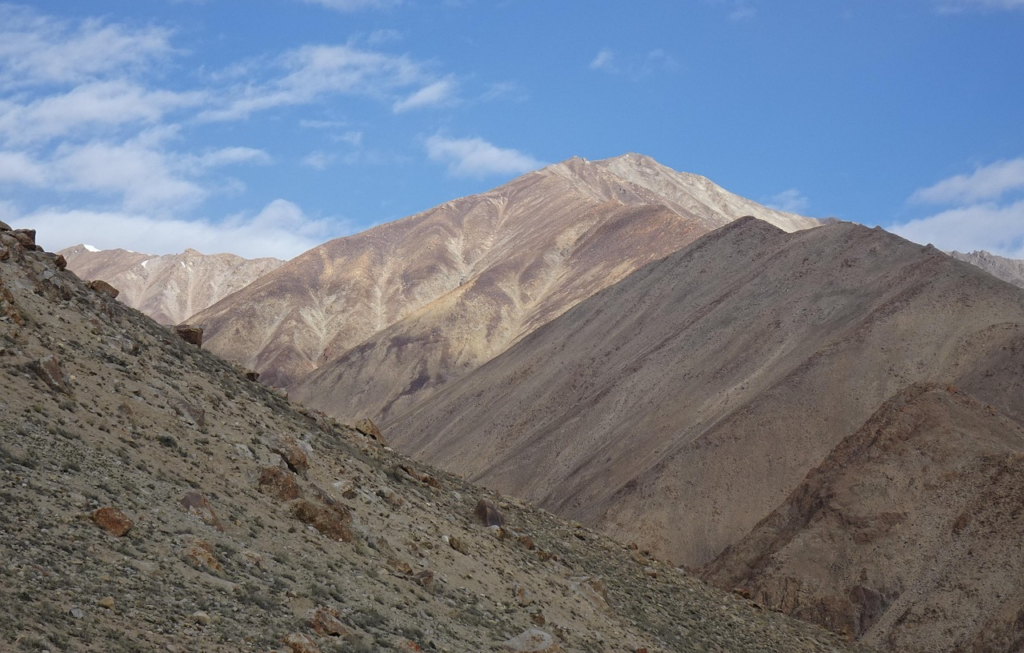
Drass is a small town located near Kargil and is often known as one of the coldest inhabited places in the world.
Surrounded by beautiful mountains, Drass offers stunning natural views and a peaceful environment.
The town is famous because of its role in the Kargil War. The Kargil War Memorial located nearby is an important place for visitors who want to understand India’s history.
During summer, the valleys around Drass become green and beautiful, creating a completely different landscape compared to the dry areas of Ladakh.
Best Experiences in Drass:
- Visiting Kargil War Memorial
- Enjoying mountain views
- Exploring valleys
- Experiencing local culture
Khardung La Pass – The Gateway to Nubra Valley
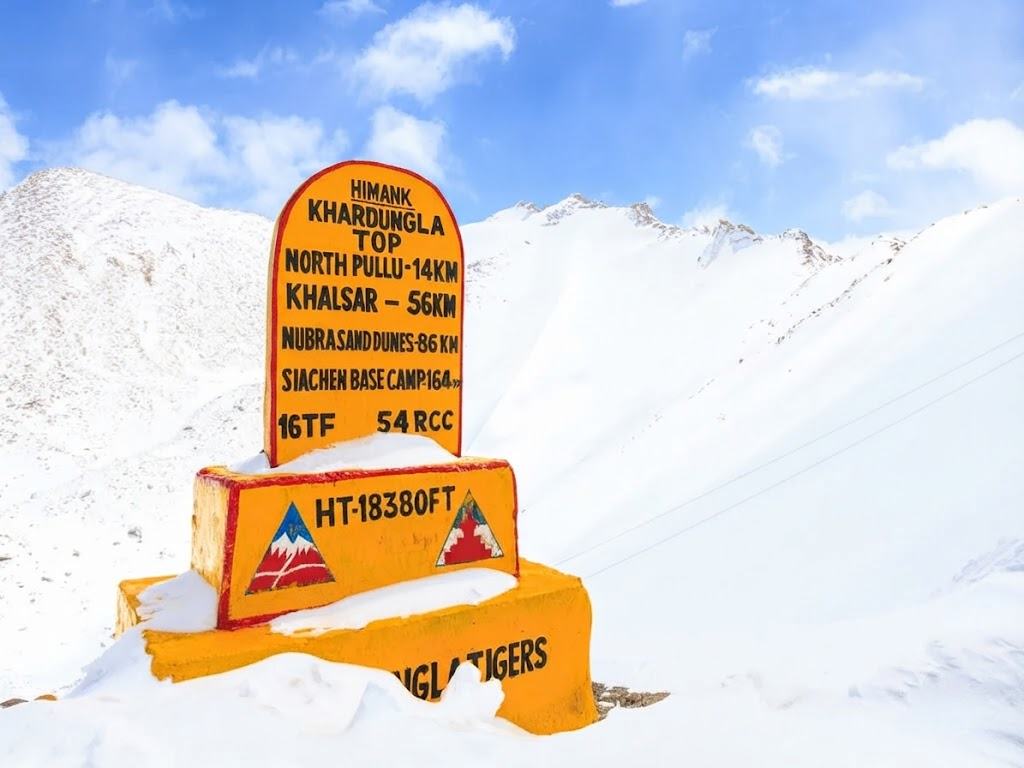
Khardung La Pass is one of the most famous mountain passes in Ladakh and a dream destination for many adventure lovers. Located at a very high altitude, this pass connects Leh with the beautiful Nubra Valley.
The journey to Khardung La is not just about reaching the top; the entire route is an unforgettable experience. As you drive through winding mountain roads, you will see huge mountains, deep valleys, and breathtaking views all around.
For bikers and road trip lovers, crossing Khardung La feels like a lifetime achievement. The cold winds, snowy landscapes, and dramatic surroundings make this place truly special.
However, because of the high altitude, travelers should take proper care while visiting. Spending enough time in Leh before going to Khardung La helps your body adjust to the climate.
Best Experiences at Khardung La:
- Enjoying mountain views
- Photography
- Experiencing high-altitude roads
- Bike riding
- Taking memorable pictures
Magnetic Hill – The Mysterious Road of Ladakh
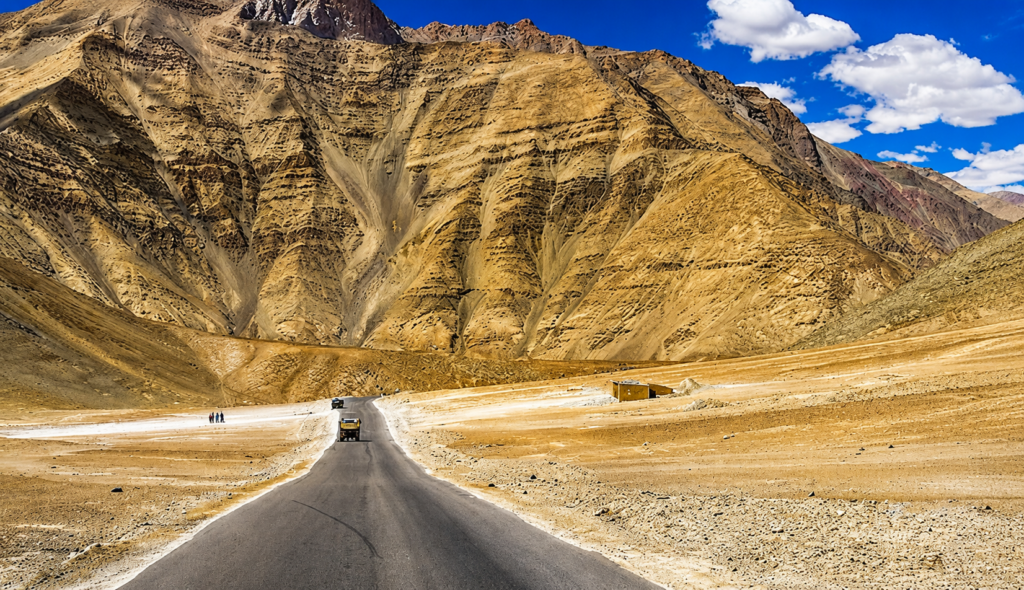
Magnetic Hill is one of the most interesting attractions near Leh. It is famous because of an unusual phenomenon where vehicles appear to move uphill even when the engine is turned off.
Many visitors stop here to experience this mysterious place and take photographs. Although there are different scientific explanations behind this phenomenon, the experience itself makes Magnetic Hill a fun place to visit.
The area around Magnetic Hill is also beautiful, with mountains, open landscapes, and the peaceful flow of the Indus River nearby.
It is usually included in sightseeing trips around Leh because of its easy accessibility.
Best Experiences at Magnetic Hill:
- Experiencing the magnetic effect
- Photography
- Enjoying scenic views
- Visiting nearby attractions
Alchi – The Ancient Art Village of Ladakh
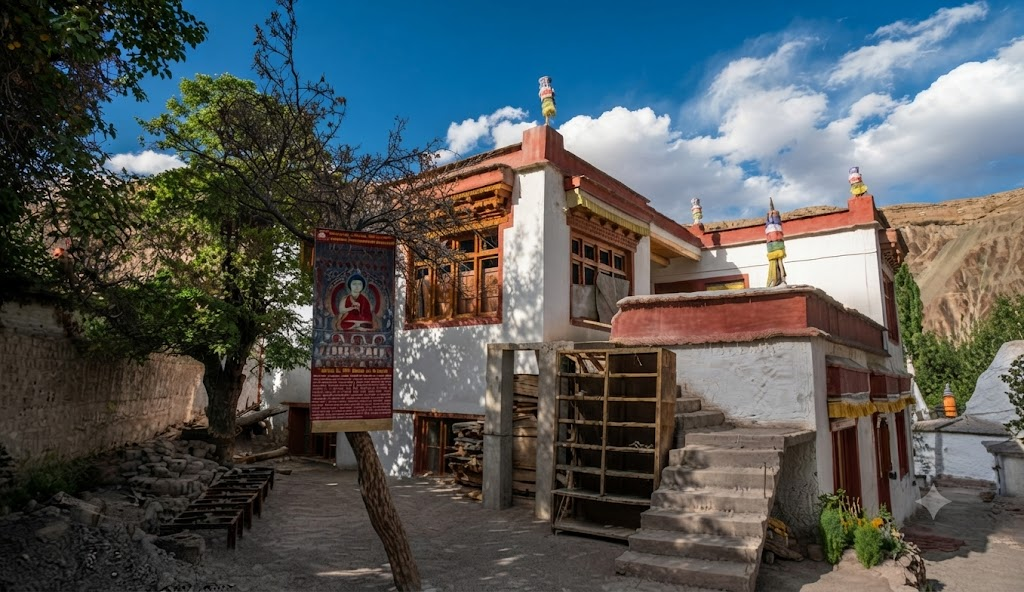
Alchi is a small village located near the Indus River and is famous for its ancient monastery and beautiful artwork.
Unlike many monasteries in Ladakh that are located on hills, Alchi Monastery is situated on flat land. It is known for its old paintings, sculptures, and traditional architecture.
The artwork inside the monastery reflects the influence of Tibetan and Indian cultures. The detailed paintings and designs show the incredible skills of ancient artists.
Apart from the monastery, Alchi village offers peaceful surroundings and a chance to experience traditional Ladakhi life.
Best Experiences in Alchi:
- Exploring Alchi Monastery
- Viewing ancient paintings
- Walking around the village
- Learning about Ladakhi history
- Photography
Likir – The Peaceful Monastery Village
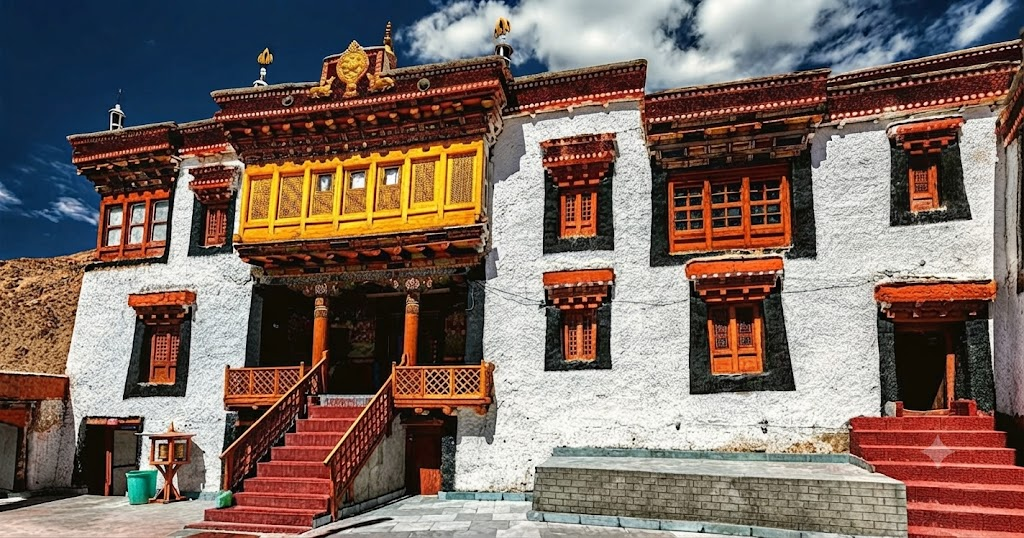
Likir is a beautiful village located in the Sham Valley region of Ladakh. It is mainly famous for the historic Likir Monastery, which is one of the oldest monasteries in the region.
The monastery is located on a hilltop and offers amazing views of the surrounding mountains and valleys. A large golden Buddha statue outside the monastery is one of its main attractions.
Likir is a perfect place for travelers who want to enjoy a peaceful environment away from crowded tourist spots.
The simple village lifestyle and beautiful landscapes make Likir a memorable stop during a Ladakh journey.
Best Experiences in Likir:
- Visiting Likir Monastery
- Enjoying peaceful surroundings
- Exploring village life
- Photography
Basgo – A Place Full of History
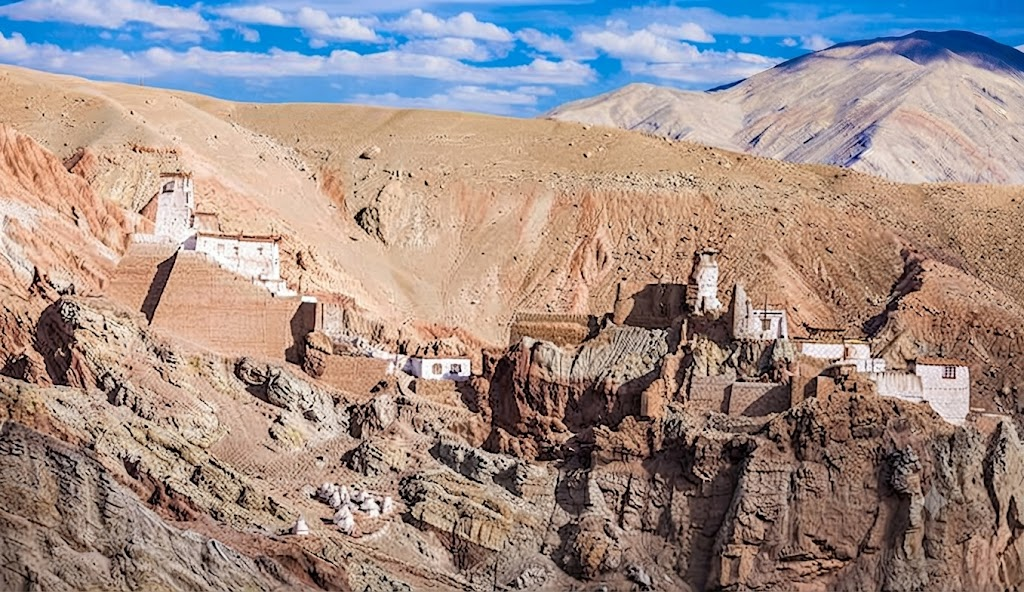
Basgo is a historic village located near Leh and is famous for its ancient ruins, monastery, and royal heritage.
The Basgo Monastery and the old palace complex are important examples of Ladakh’s rich history. The area offers beautiful views of mountains and the Indus Valley.
The village is a great place for travelers interested in history, architecture, and photography.
Best Experiences in Basgo:
- Exploring ancient ruins
- Visiting Basgo Monastery
- Photography
- Learning about Ladakh’s history
Uleytokpo – A Peaceful Riverside Destination
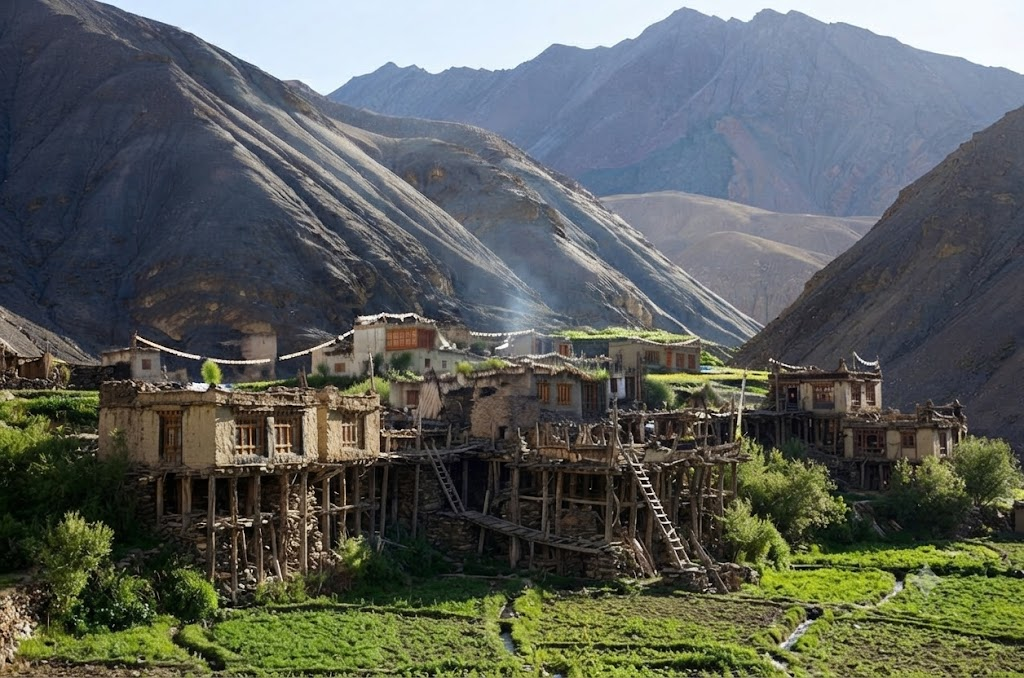
Uleytokpo is a beautiful and peaceful destination located along the Indus River. It is known for its scenic surroundings, comfortable stays, and easy access to nearby attractions.
The place is surrounded by mountains and offers a relaxing atmosphere for travelers.
Many visitors choose Uleytokpo as a stop while exploring places like Alchi and Lamayuru.
Best Experiences in Uleytokpo:
- Relaxing near the river
- Enjoying mountain views
- Exploring nearby villages
- Photography
Chumathang – The Hot Spring Village of Ladakh
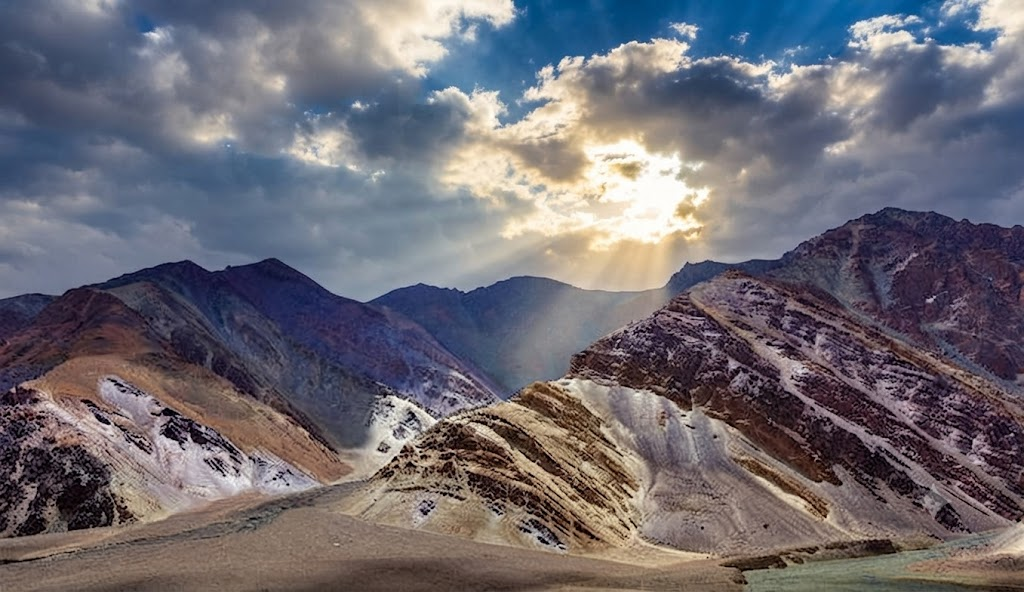
Chumathang is a small village located in the Changthang region and is famous for its natural hot springs.
The warm water springs surrounded by cold mountain landscapes create a unique experience for visitors.
The village is also located on the way to Tso Moriri Lake, making it a popular stop for travelers exploring eastern Ladakh.
Best Experiences in Chumathang:
- Visiting natural hot springs
- Enjoying peaceful landscapes
- Exploring local villages
- Relaxing during the journey
Nyoma – The Remote Beauty of Eastern Ladakh
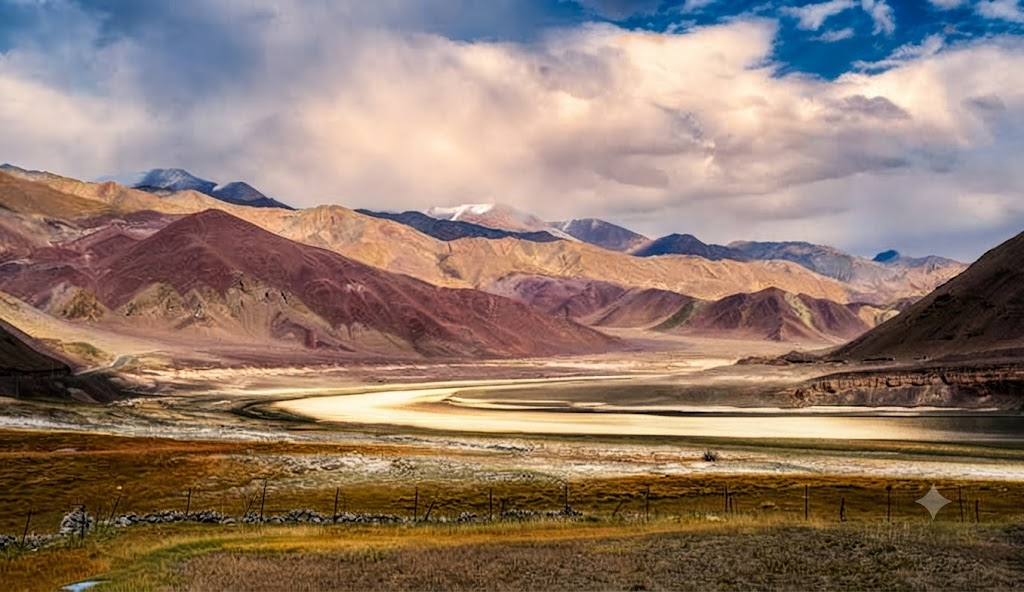
Nyoma is a remote village located in eastern Ladakh near the banks of the Indus River.
Because of its less crowded environment, Nyoma offers a peaceful experience away from popular tourist places.
The region is known for beautiful landscapes, open valleys, and traditional village life.
Travelers who love exploring hidden places often include Nyoma in their Ladakh itinerary.
Best Experiences in Nyoma:
- Exploring remote landscapes
- Photography
- Experiencing village life
- Enjoying peaceful surroundings
Wildlife of Ladakh
Although Ladakh looks like a dry desert, it is home to many unique animals and birds that survive in this high-altitude environment.
The region’s mountains, wetlands, and valleys provide shelter to several rare species.
Some famous wildlife found in Ladakh includes:
Snow Leopard
The snow leopard is one of the most famous animals of the Himalayas. Spotting this beautiful and rare animal is a dream for many wildlife lovers.
Himalayan Marmot
These cute animals can often be seen near valleys and open grasslands during summer.
Tibetan Wild Ass (Kiang)
Kiang is commonly found in the Changthang region and is one of the largest wild animals of Ladakh.
Black-necked Crane
This rare bird can be spotted near wetlands like Tso Moriri.
Other Wildlife:
- Blue Sheep
- Tibetan Wolf
- Himalayan Fox
- Ibex
Wildlife lovers visit Ladakh not only for landscapes but also for its unique biodiversity.
Famous Festivals of Ladakh
Festivals are an important part of Ladakh’s culture. They showcase the region’s traditions, music, dance, and spiritual beliefs.
Hemis Festival
Hemis Festival is one of the biggest and most famous festivals of Ladakh. It is celebrated at Hemis Monastery and attracts visitors from around the world.
The festival includes traditional masked dances, music performances, and religious ceremonies.
Losar Festival
Losar marks the Tibetan New Year and is celebrated with great happiness. People decorate their homes, prepare special food, and participate in cultural activities.
Dosmoche Festival
This festival is celebrated in Leh and other regions with traditional rituals and performances.
Ladakh Festival
The Ladakh Festival celebrates the culture and traditions of different communities living in the region.
Visitors can experience traditional dresses, folk dances, music, and local cuisine during these celebrations.
Shopping in Ladakh
Shopping in Ladakh is a wonderful way to take a piece of this beautiful region home with you.
The markets of Leh offer many traditional products and handmade items.
Popular things to buy include:
Pashmina Wool Products
Ladakh is famous for high-quality wool products made from traditional techniques.
Tibetan Handicrafts
Visitors can buy prayer wheels, traditional paintings, statues, and handmade decorations.
Local Jewelry
Traditional Ladakhi jewelry made with stones and metals is popular among tourists.
Apricot Products
Nubra Valley is famous for apricots, and visitors can buy products like apricot jam and dried apricots.
Local Spices and Food Items
Small markets in Leh sell traditional food products that make great souvenirs.
Best Adventure Activities in Ladakh
Ladakh is a paradise for adventure seekers. The unique landscape allows travelers to enjoy several exciting activities.
Mountain Biking
The challenging roads and high passes make Ladakh one of the best places for mountain biking.
Trekking
From beginner-friendly trails to challenging mountain routes, Ladakh offers trekking experiences for different skill levels.
Camping
Sleeping under a sky full of stars surrounded by mountains is one of the most beautiful experiences in Ladakh.
River Rafting
Adventure lovers can enjoy rafting in the Indus and Zanskar rivers.
Wildlife Photography
The unique wildlife and landscapes make Ladakh perfect for photographers.
Local Food of Ladakh – Taste the Traditional Flavors
A trip to Ladakh is incomplete without trying its traditional food. Because of the cold climate and high altitude, Ladakhi cuisine is simple, warm, and designed to provide energy during harsh weather conditions.
The food here has influences from Tibetan, Himalayan, and local cultures. Most dishes are made using simple ingredients like wheat, barley, vegetables, meat, and dairy products.
Let’s explore some famous foods that you must try during your Ladakh trip.
Momos – The Famous Himalayan Dumplings
Momos are one of the most popular foods in Ladakh. These soft steamed dumplings are filled with vegetables or meat and served with spicy chutney.
You can easily find momos in cafes, restaurants, and small local food shops in Leh and other tourist areas.
For many travelers, enjoying hot momos while sitting among the cold mountains becomes a memorable experience.
Thukpa – A Comforting Noodle Soup
Thukpa is a traditional Tibetan-style noodle soup that is perfect for Ladakh’s cold weather.
It is prepared with noodles, vegetables, herbs, and sometimes meat. The warm soup helps travelers feel comfortable, especially during chilly evenings.
Many local restaurants in Leh serve delicious versions of Thukpa.
Skyu – Traditional Ladakhi Dish
Skyu is one of the most authentic dishes of Ladakh.
It is made using small wheat flour pieces cooked with vegetables and sometimes meat. The dish is simple but filling and represents the traditional lifestyle of Ladakhi people.
Trying Skyu gives visitors a chance to experience the local taste of the region.
Butter Tea – The Traditional Ladakhi Drink
Butter Tea, also known as Gur Gur Cha, is a traditional drink of Ladakh.
It is made with tea leaves, butter, and salt. Although its taste may feel different for first-time visitors, it is an important part of local culture.
People drink it to stay warm during the extremely cold winters.
Where to Stay in Ladakh
Ladakh offers different types of accommodation options depending on your budget and travel style.
From comfortable hotels in Leh to traditional homestays in remote villages, travelers can choose according to their needs.
Hotels in Leh
Leh has the largest number of hotels and guesthouses in Ladakh.
You can find:
- Budget hotels
- Mid-range hotels
- Luxury stays
- Boutique properties
Most travelers prefer staying in Leh because it has better facilities, restaurants, and easy access to nearby attractions.
Homestays in Ladakh
Homestays are a great option for travelers who want to experience local life.
Staying with a Ladakhi family allows you to understand their culture, food habits, and daily lifestyle.
Places like Nubra Valley, Turtuk, Hanle, and remote villages offer beautiful homestay experiences.
Camps Near Lakes
Camping near places like Pangong Lake and Tso Moriri is one of the most unforgettable experiences in Ladakh.
Waking up beside a beautiful lake surrounded by mountains feels magical.
However, due to extreme weather conditions, camps are mostly available during the tourist season.
Ladakh Travel Budget Guide
The cost of a Ladakh trip depends on your travel style, number of days, accommodation, and activities.
A basic idea of budget planning:
Budget Trip
For budget travelers, Ladakh can be explored by choosing the following:
- Hostels or guesthouses
- Shared taxis
- Local restaurants
- Public transport
Approximate budget:
₹1,500 – ₹3,000 per day (excluding flights)
Mid-Range Trip
A comfortable trip with good hotels, private transport, and better facilities may cost the following:
₹3,500 – ₹7,000 per day
Luxury Trip
Travelers looking for premium stays, private vehicles, and luxury experiences can expect higher costs.
Luxury trips may include the following:
- Premium hotels
- Private drivers
- Luxury camps
- Personalized experiences
How to Reach Ladakh
Ladakh is accessible by both air and road. The journey itself is one of the most beautiful parts of visiting this region.
Reaching Ladakh by Air
The easiest and fastest way to reach Ladakh is by flight.
The main airport is
Kushok Bakula Rimpochee Airport, Leh
Flights are available from major Indian cities, especially during the tourist season.
Flying to Leh also gives amazing aerial views of Himalayan mountains.
Reaching Ladakh by Road
Many travelers prefer reaching Ladakh by road because the journey offers incredible landscapes.
There are two famous routes:
Manali to Leh Highway
This route is popular among bikers and adventure lovers.
The journey passes through:
- Rohtang Pass
- Baralacha La
- Lachung La
- Tanglang La
The route offers dramatic mountain views and unforgettable experiences.
Srinagar to Leh Highway
This route is another beautiful way to reach Ladakh.
Along the way, travelers can enjoy:
- Kashmir Valley views
- Zoji La Pass
- Drass
- Kargil
This route is also considered helpful for gradual acclimatization because the altitude increases slowly.
Ladakh Packing List
Packing correctly is very important because Ladakh has unpredictable weather.
Here are some essential things to carry:
Clothing
- Warm jackets
- Thermal wear
- Woolen socks
- Gloves
- Cap
- Comfortable shoes
Health Essentials
- Sunscreen
- Lip balm
- Personal medicines
- Basic first-aid kit
Travel Essentials
- Sunglasses
- Power bank
- Camera
- Water bottle
- ID documents
Extra Tips
Always carry some warm clothes even during summer because temperatures can drop suddenly.
Important Travel Tips for Ladakh
1. Spend Time for Acclimatization
The biggest mistake many travelers make is exploring too quickly after reaching Leh.
Because Ladakh is located at high altitude, your body needs time to adjust.
Take proper rest on your first day and avoid heavy activities.
2. Stay Hydrated
The dry climate of Ladakh can cause dehydration quickly.
Drink enough water throughout the day.
3. Respect Local Culture
Ladakh has a rich cultural heritage.
While visiting monasteries and villages:
- Dress respectfully
- Avoid disturbing religious ceremonies
- Ask before photographing locals
4. Protect the Environment
Ladakh is a fragile mountain ecosystem.
Travelers should:
- Avoid plastic waste
- Carry reusable bottles
- Keep tourist places clean
- Respect wildlife
Small responsible choices help protect this beautiful region.
5. Keep Cash While Traveling
Although digital payments are available in Leh, remote areas may have limited network connectivity.
It is always better to carry some cash while exploring villages and distant places.
Best Photography Spots in Ladakh
Ladakh is a paradise for photography lovers.
Some of the best places to capture beautiful moments are:
- Pangong Lake
- Nubra Valley
- Hanle
- Tso Moriri
- Magnetic Hill
- Leh Palace
- Khardung La
- Lamayuru
From colorful monasteries to dramatic mountains, every location offers a perfect frame.
Responsible Tourism in Ladakh
Ladakh’s beauty comes from its untouched nature. Therefore, responsible tourism is extremely important.
Here are some simple ways to travel responsibly:
- Do not litter
- Avoid using too much plastic
- Respect local traditions
- Support local businesses
- Save water
- Do not disturb animals
When travelers take care of Ladakh, future generations can also enjoy its beauty.
Frequently Asked Questions
1. How many days are enough for Ladakh?
A minimum of 7 to 10 days is recommended to explore major places like Leh, Nubra Valley, Pangong Lake, and nearby attractions comfortably.
What is the best month to visit Ladakh?
The best time to visit Ladakh is from May to September when roads are open and weather conditions are comfortable.
2. Is Ladakh safe for solo travelers?
Yes, Ladakh is considered a safe destination for solo travelers. The locals are friendly, and many people travel alone every year.
Can families visit Ladakh?
Yes, families can visit Ladakh with proper planning. It is important to keep the itinerary comfortable and allow enough rest time.
3. Is Ladakh expensive?
Ladakh can be explored on different budgets. Budget travelers can choose affordable stays and shared transport, while luxury options are also available.
Which places should not be missed in Ladakh?
Some must-visit places include:
- Leh
- Nubra Valley
- Pangong Lake
- Tso Moriri
- Zanskar Valley
- Hanle
- Khardung La
- Lamayuru
4. Is a bike trip to Ladakh difficult?
A Ladakh bike trip requires preparation because of high altitude and challenging roads. However, with proper planning, beginners can also enjoy this experience.
5. What should I carry for Ladakh?
Important items include warm clothes, sunscreen, medicines, sunglasses, comfortable shoes, and essential documents.
Conclusion
Ladakh is not just another travel destination; it is a place that creates memories for a lifetime.
From the peaceful monasteries of Leh to the beautiful lakes of Pangong and Tso Moriri, from the remote villages of Nubra and Hanle to the adventurous mountain roads, every part of Ladakh offers something unique.
The beauty of Ladakh is not only found in its mountains and landscapes but also in its culture, traditions, and people. The simple lifestyle of locals, ancient monasteries, delicious food, and endless natural beauty make this region truly special.
Whether you are searching for adventure, peace, photography, culture, or a break from busy city life, Ladakh welcomes every traveler with open arms.
So, pack your bags, follow the mountain roads, and get ready to explore the incredible Land of High Passes.
If you love exploring beautiful destinations and travel stories, you can check out more blogs on Travel with soul